
🔊 Limited Deals. Redeem your EyeCheck+ for FREE now !
Are You Experiencing Any of These symptoms?


Frequent complaints of headaches or migraines

Holding books or devices near to face
Hard to focus on objects
Delayed motor development, especially for younger child
Blurry distant vision (struggle to read signboards / whiteboards in school / watching TV)
Frequent eye rubbing
Excessive blinking
Squinting or partially close eyelids to see clearly
If you notice any of these signs in yourself or your child, you're in the right place.
A Closer Look at Myopia
Structural factors - In some individuals, their sclera (white outer layer of the eye) is more flexible, making it easier for the eye to stretch as it grows.

Looking out for you & your child's eyesight should be your priority.


Genetics - If one or both parents have myopia, their children will have higher chance of developing myopia.
Environmental factors - Long hours of reading or screen use at close distance, coupled with insufficient outdoor time.
K
E
Y
F
A
C
T
O
R
S
These symptoms may indicate Myopia, commonly known as short-sightedness or near-sightedness. Myopia is a vision condition that is becoming increasingly common, affecting a large population today.


Myopia usually develops gradually over time, rather than appearing suddenly. Due to this, early signs - particularly in children are often missed. Many children may not realize they are experiencing a vision problem, as they naturally assume what they see is normal and may not yet understand what "clear vision" truly means.
Myopia is actually a refractive condition where the eye focuses light in front of the retina instead of directly on it. This happens mainly because the eyeball grows slightly longer than normal, or the cornea is too curved, causing distance to appear blurry.


Glasses can helps to correct vision, but it don't slow it's progression.
MYOPIA CONTROL
TREATMENT
Every individual eyes are different, and so are their needs. That's why we take a personalized approach for myopia care, carefully assessing your vision and lifestyle to find the most effective solution. Our goal is to help you or your child to maintain a clear vision and protect long-term eye health.
Myopia Control Prescription Lens


Orthokeratology (Ortho-K) Lenses
This involves in wearing semi-hard lenses when you're sleeping. These lenses gently reshapes cornea when you're asleep, correcting your vision so you can see clearly throughout the day! Ideal for active children involved in sports. Highly effective option to slow myopia progression.


Lifestyle Recommendations & Eye Health Advice
Modern lifestyles contributes a lot to getting Myopia. Hence, beside clinical treatments, we provide practical advise and recommendations for families to manage myopia.


Today, most myopic children wear standard ophthalmic lenses, which only helps to correct nearsightedness.
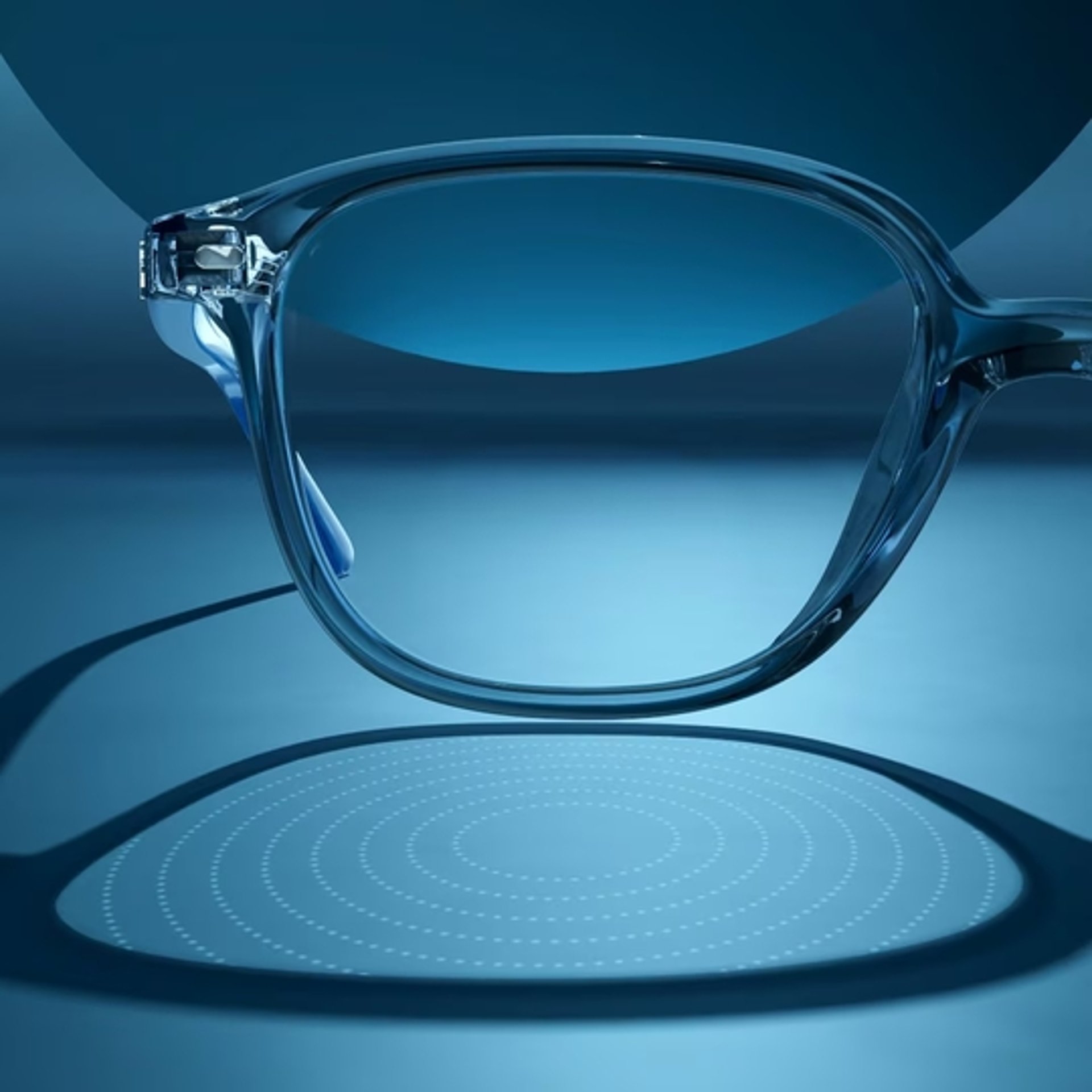
With Essilor® Stellest® lenses, it does not only correct myopia but it also helps to slow down the rate of eye growth.
It looks just like regular glasses, non-invasive, easy to adapt and a highly effective option.
Slowing down Myopia progression

ESSILOR® STELLEST® LENS
It is proven that this lens has successfully slowed myopia progression by 71% on average by 2 years with the H.A.L.T technology.
Correct Myopia
It also corrects myopia with single vision zone to ensure sharp vision.
Easy to use and proven
Easiest way to use and proven way to help manage your child's nearsightedness.
Potential Vision problems when Myopia is left untreated or uncontrolled
For decades, myopia was treated by just increasing lens power as the condition progressed. Today, research shows that myopia is more than a vision problem - it's an expanding global issue with lasting impacts on eye health.
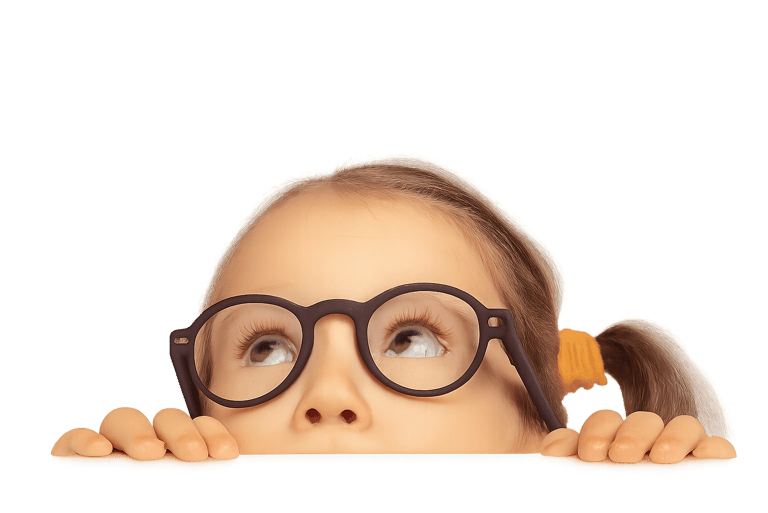
Long-term risks of severe Myopia
Retinal tear / detachment
The thinning and stretching of the retina can lead to tears or detachment.
Accomodating problems
Trouble changing from near to far focus or vice versa, or trouble maintaining focus for reading.
IMPORTANCE OF MYOPIA CONTROL

Amblyopia
Commonly known as "lazy eye", this shows up as decreased vision in one or both of the eyes without any damage or eye health problems.
Strabismus
Misalignment of the eyes. Sometimes caused by a congenital defect to the muscles around the eye in charge of movement & positioning.
Convergence Insufficiency
Inability to comfortably keep an eye aligned when reading or doing any near tasks.
Glaucoma
Eye conditions that damage the optic nerve, often due to high eye pressure.
Cataract
Clouding of the eye's natural lens, leading to blurred vision.
Myopic Macular Degeneration
Deterioration of the central part of the retina, causing the central vision loss.

FREQUENTLY ASKED QUESTIONS









No 11A, Jalan USJ 1/1A